Carol Priego

The artist Carol Priego has completed an artistic residency between Centre Clark (Montreal) and Écart (Rouyn-Noranda), during July and August 2025, thanks to our Exchange programme.
She presented there the following work:
Roca Daurada
28 August, 2025
During July and August 2025, the artist carried out an artistic residency in Quebec, divided between Centre Clark (Montreal) and L’Écart (Rouyn-Noranda). On August 28, the final exhibition was inaugurated, bringing together the works produced during this period.
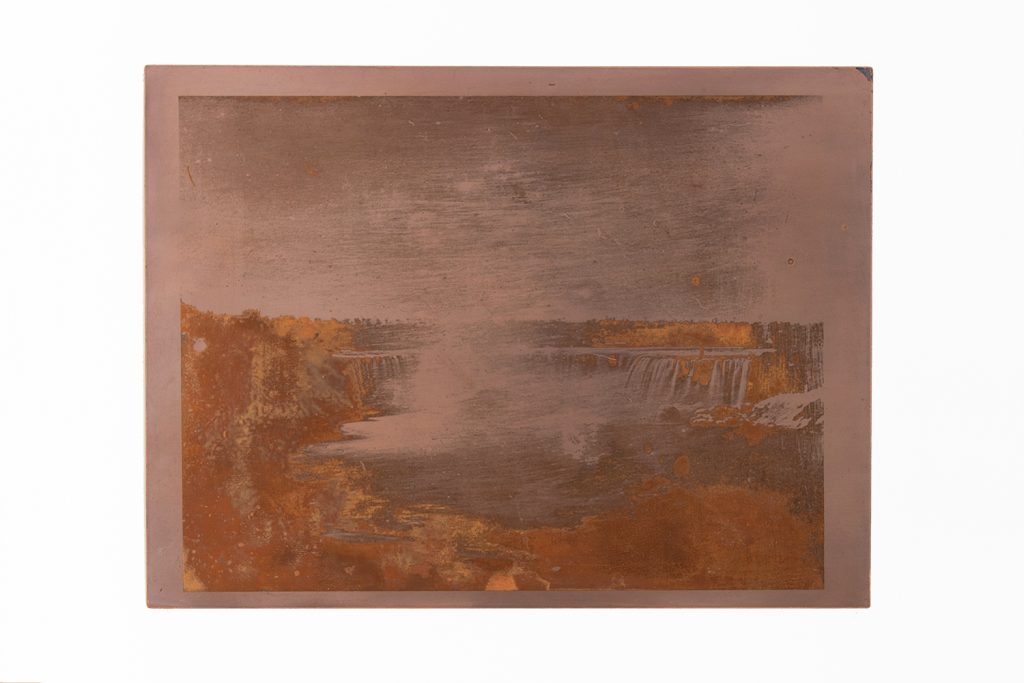
The project «ROCA DAURADA» seeks to explore the intersections between photography, geology, and colonial memory in Rouyn-Noranda and Montreal, with a central focus on water as both witness and agent of transformation in the territory. Through photosensitivity, matter, and experimental techniques, the artist approaches the concept of the daguerreotype and research into contaminated industrial landscapes.
This project stems from a reflection on the origins of image production, a field initially marked by restricted access and dominated by an elite. The documentary use of photography imposed “truthful” narratives that simultaneously legitimized the dispossession of Indigenous peoples. During the colonial period, small photographic plates of about twenty centimeters fragmented landscapes to construct an imaginary geography intended to demonstrate the progress of colonization.
From 1842 onward, the Geological Survey of Canada (GSC) promoted the exploitation of natural resources, turning mining colonies into symbols of prosperity. This drive attracted prospectors such as Edmund Horne, founder of the Horne Smelter, who contributed to the birth of Rouyn-Noranda. Despite the celebrated economic benefits, the mining industry left a considerably heavy environmental legacy.
Water, copper, and silver nitrate—defining elements of this region—are also the essential components of the daguerreotype: a unique, small-format object that reveals a subject more or less visibly after a few minutes of exposure. The image, highly sensitive to light, is fixed as a fine dust on the plate, later protected with glass and a wooden structure.
The landscape, permeated with copper dust, manifests itself as a true daguerreotype plate: both image and photographic support of itself. The project explores this visual aesthetic through the concept of the “living daguerreotype.”
Based on early representations of the region from the Vavasour archives, the research investigates the interaction between Glencore’s papers and copper plates with contaminated soils and water. These elements, rich in photosensitive molecules, transform materials into reactive surfaces that register their traces as images.
The project proposes the creation of a large-scale installation based on the idea of the daguerreotype, aiming to merge memory, matter, and aesthetics, inviting a reconsideration of the living history of this territory, its tensions, and its possibilities for resilience.
–
Carol Priego is a visual arts mediator and cultural manager. Her work fuses art, pedagogy and social action, exploring the power of art to generate links and transform realities.
Her research addresses environmental issues such as pollution, drought and water. Through an experimental approach, she promotes dialogue on the relationship between human beings and their environment.
Her projects include Amares Azielos, a creative laboratory in the Youth Prison of La Roca del Vallès; ENTRE NOUS (Tunisia); Duduk di Tepi (Indonesia); and Jazmín, on mourning and the destigmatisation of grey hair in the female body.Trained in Politics and Visual Arts, she has worked in post-production coordination at ESCAC Studio Color, collaborated with the Filmoteca de Catalunya and participated in international photography festivals. Her artistic work seeks to generate spaces of resistance and empowerment through collective creation.
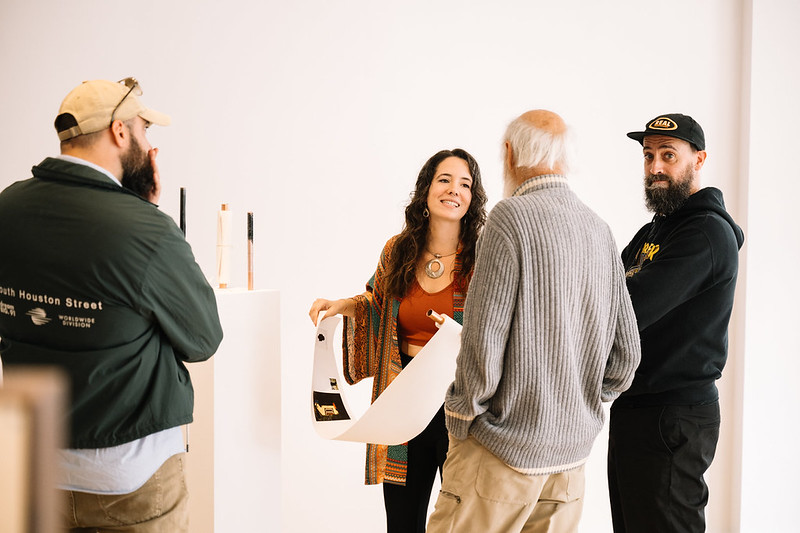


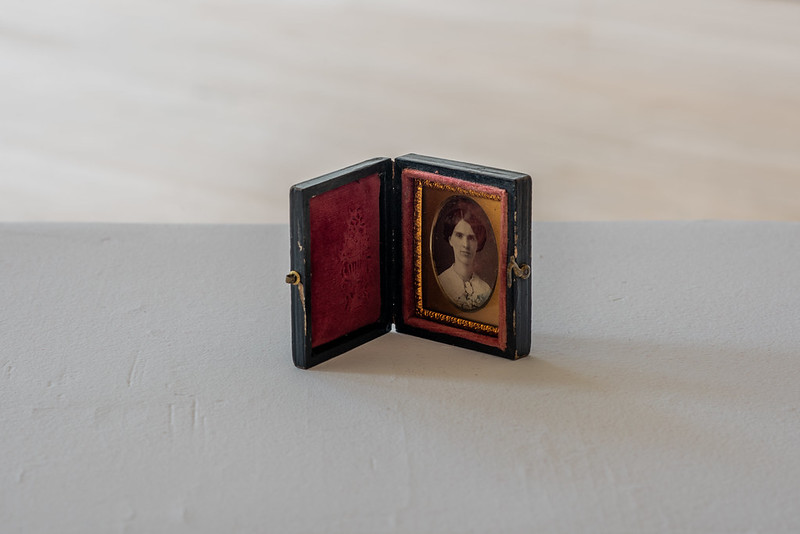


Photographs: Christian Leduc and Donald Trepanier.
In collaboration with Écart, Centre Clark and with the support of the Institut Ramon Llull.